The kitchen island has become the centrepiece of the modern UK kitchen. It provides additional worktop space, storage, informal seating, and, in open plan layouts, a visual anchor that connects the kitchen to the rest of the living space. The island worktop is the single most prominent stone surface in the kitchen and deserves particular care in its specification.
Sizing Your Island Worktop
Standard kitchen worktop height is 900mm from floor to finished surface. This applies to islands as well, unless the island is specifically designed at a different height for seating purposes. Bar-height islands at 1050mm to 1100mm work with bar stools and are increasingly popular for informal dining areas.
For comfortable seating at a standard 900mm island, an overhang of 300 to 350mm is recommended. This provides knee clearance for adults on standard kitchen stools with a seat height of approximately 650mm. For a bar-height island at 1050mm, an overhang of 300mm works with bar stools at 750mm seat height. Always confirm overhang dimensions with your stone supplier, as very large overhangs may require additional support corbels to prevent the stone from cracking under load.
Material Choices for Islands
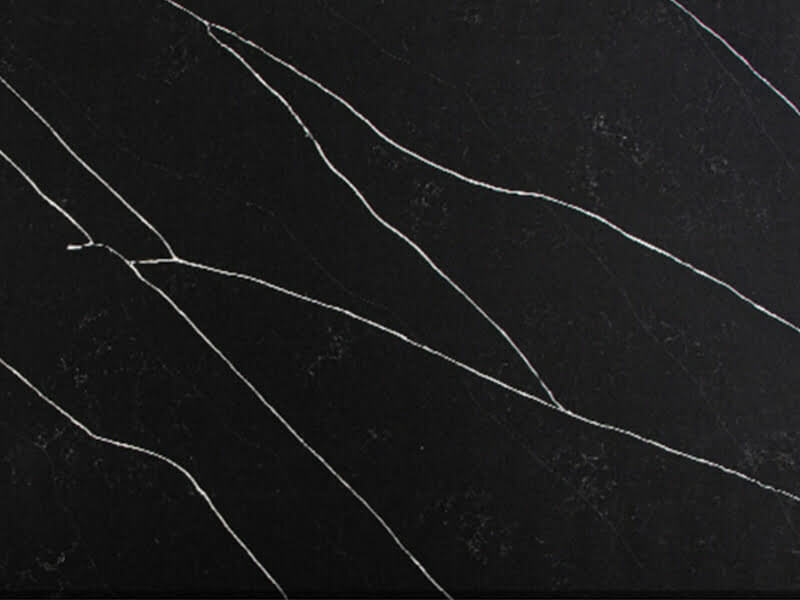
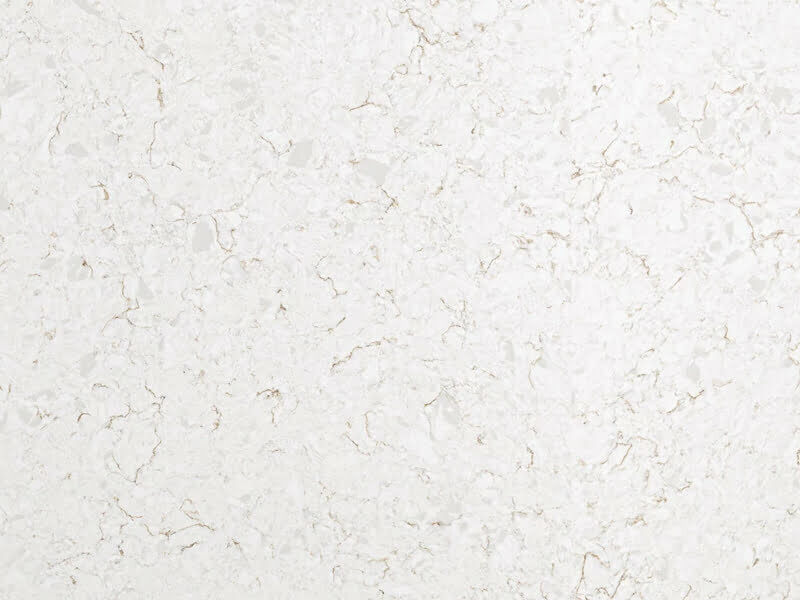
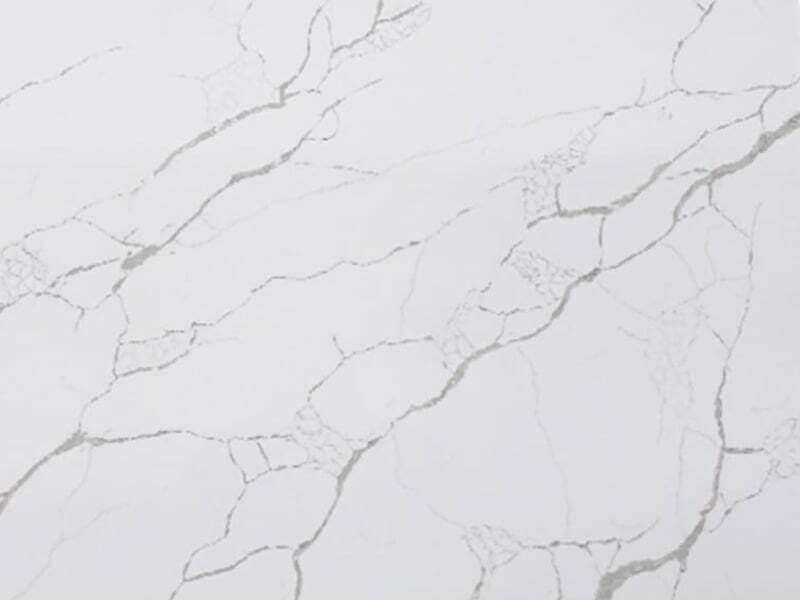
The island is the ideal place to invest in a statement material. Because it is viewed from all sides and from across the open plan space, the island worktop has more visual presence than any perimeter section. A boldly veined Calacatta-look quartz, a large-format continuous-vein slab, or a dramatic dark quartz can make an island truly extraordinary.
For a working island where food preparation is the primary function, quartz is the most practical choice, non-porous, scratch-resistant, easy to clean, and available in beautiful designs that complement any kitchen. For a statement island that is used more for informal dining and display, a natural stone's uniqueness and character adds enormous value.
Waterfall Edges
A waterfall edge, where the worktop material continues vertically down the side of the island, transforms the worktop from a functional surface into an architectural element. The effect is sleek, modern, and impressive. Waterfall edges are most effective with materials that have consistent patterning or where the fabricator has the skill to continue the veining pattern around the edge for a seamless appearance.
Budget for additional stone when specifying a waterfall edge, each vertical face requires material equivalent to the area of that face, which is charged as additional square metreage. For a 1.5m wide island with a 900mm waterfall on each end, this adds approximately 0.27m² per side to the material requirement, plus fabrication costs.
Mixing Island and Perimeter Materials
Using contrasting quartz designs on the island and perimeter is a design approach that is both practical and visually effective. A classic combination is a more understated quartz on the perimeter with a bolder, more dramatic quartz design on the island. The perimeter handles daily prep work without concern; the island is a showpiece. Ensure the two designs complement each other in tone, they need not match exactly, but should feel cohesive in the overall space.
Sink in the Island
A sink positioned in the kitchen island is a popular choice in open plan layouts, as it allows the cook to face into the living space while working. For stone worktops, an undermount sink is strongly recommended, it sits below the stone surface for a seamless, easy-to-clean result. Ensure adequate drainage and plumbing routes are planned at an early stage, as retrofitting drainage to an island is significantly more disruptive than planning for it from the outset.
Cost Guide for Island Worktops
A standard 1.5m × 1.0m island worktop in mid-range quartz with a standard edge and undermount sink cutout would typically cost £600 to £1,500 including installation. Add a waterfall edge and the cost increases by £400 to £800. For a premium natural stone, the same island could cost £2,000 to £4,000 or more. Islands are an area where spending more on the material delivers visible, lasting value.
Conclusion
The kitchen island worktop is one of the highest-impact design elements in a modern UK kitchen. Choose your material thoughtfully, consider a statement stone if budget allows, and work with an experienced fabricator who can advise on the details that make the difference between a good island and a great one.
Stoneone has created hundreds of bespoke island worktops across London and surrounding areas. Contact us to discuss your project and see examples of our island installations.
Explore Our Range
Ready to get started?
Use our instant price calculator for a free estimate, or contact our team for personalised advice.