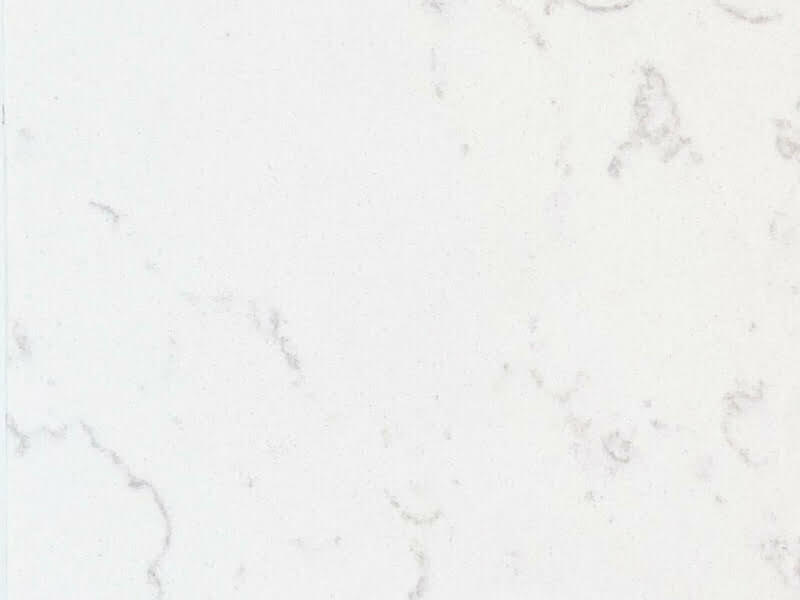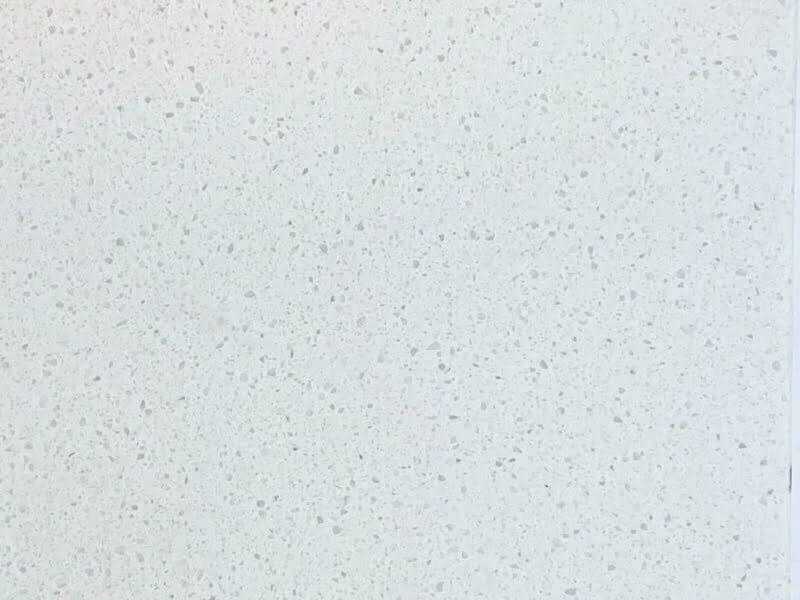

One of the most frequently asked questions about quartz worktops is whether they stain. The short answer is that quartz is highly stain-resistant but not completely stain-proof. Understanding the distinction, and knowing what can and cannot mark the surface, helps you look after your worktop correctly and avoid the small number of substances that pose a genuine risk.
Why Quartz Resists Staining
Quartz worktops are non-porous. Unlike some natural stone surfaces which have a crystalline structure with microscopic pores that can absorb liquids, quartz's engineered composition, quartz crystals bound with polymer resins, creates a surface with essentially no porosity. This means that liquids cannot penetrate the surface. They sit on top, where they can be wiped away before causing any lasting mark.
This non-porous quality is the primary reason quartz is such a popular choice for kitchen worktops in busy households. It means no sealing is required and that the vast majority of kitchen spillages can be addressed simply by wiping with a damp cloth.
What Will NOT Stain Quartz
Under normal kitchen conditions, the following substances will not stain quartz if wiped up within a reasonable timeframe: red wine, white wine, coffee, tea, fruit juice, cooking oil, tomato sauce, mustard, ketchup, most food dyes, water, and the vast majority of everyday kitchen liquids. These substances, which would penetrate and stain natural stone quickly, simply sit on the quartz surface until wiped away.
What CAN Mark Quartz
While quartz's non-porous surface resists most staining, there are substances that can cause discolouration, typically through a chemical reaction with the resin binders rather than through penetration of the stone.
- Bleach and strong alkaline cleaners: These react with the polymer resins in quartz and can cause permanent whitish discolouration or bleached patches. Never use bleach-based products directly on quartz.
- Permanent marker: The solvents in permanent markers can affect the resin binders if left in contact with the surface. Clean immediately with a small amount of rubbing alcohol on a soft cloth if this happens.
- Heavily pigmented substances left for extended periods: While quartz resists staining impressively, leaving a very highly pigmented substance (turmeric paste, certain food dyes) on the surface for many hours can, in some cases, cause very minor surface discolouration. Wiping up promptly is the simple solution.
- Oven cleaners and drain cleaners: These highly caustic products will damage quartz surfaces. Keep them well away from stone worktops.
How to Prevent Staining
The best protection for a quartz worktop is a simple daily cleaning routine. Wipe the surface after cooking, address spillages promptly rather than leaving them overnight, and use mild cleaning products only. These habits, combined with quartz's inherent non-porosity, will ensure your worktop remains stain-free for decades.
What to Do If You Notice Discolouration
If you notice a mark or discolouration on your quartz that does not respond to normal cleaning, first try a specialist quartz cleaner available from stone care suppliers. If the mark has been caused by bleach or a chemical product, it may be a permanent chemical change to the resin rather than a surface stain, in which case professional restoration may be needed, contact your worktop supplier for advice.
Conclusion
Quartz is one of the most stain-resistant worktop surfaces available. Everyday kitchen substances will not stain it as long as spills are wiped up in a timely manner. The substances to genuinely avoid are bleach and strong chemical cleaners, stick to mild products and a regular cleaning routine, and your quartz will maintain its appearance beautifully.
Questions about caring for your Stoneone worktop? Our aftercare team is always happy to advise. Contact us any time after installation.
Explore Our Range
Ready to get started?
Use our instant price calculator for a free estimate, or contact our team for personalised advice.