
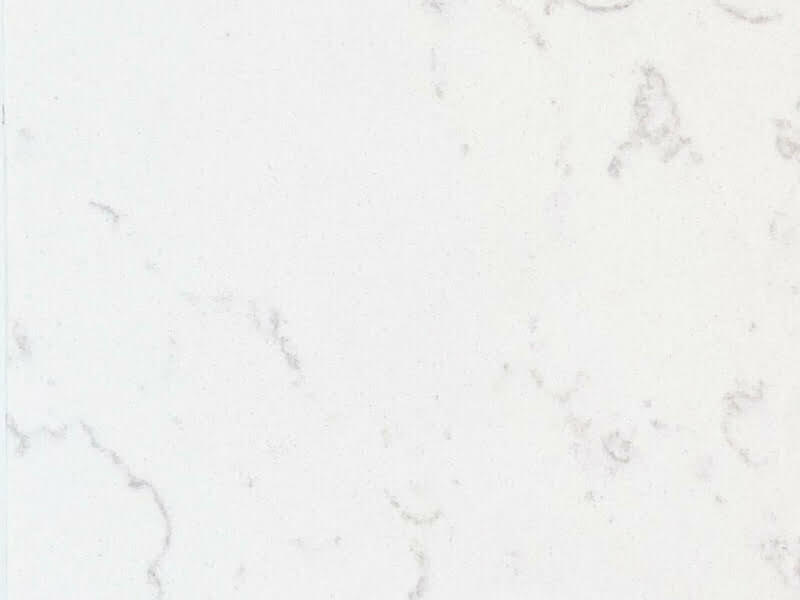
This is one of the most important questions to understand before installing a quartz worktop: no, you should not place hot pans directly on quartz. This is not a minor caveat, it is a genuine limitation of the material that you need to be aware of and accommodate with a simple habit change. Understanding why, and what to do about it, will ensure your quartz worktop remains in excellent condition for decades.
Rule to remember: Always use a trivet or pan stand when placing hot cookware on a quartz surface. No exceptions.
Why Quartz Is Heat Sensitive
Quartz worktops are engineered stone, a combination of natural quartz crystals and polymer resin binders. The resin component, which comprises approximately 7 to 10 percent of the material, is the source of quartz's heat sensitivity. Polymer resins begin to soften and degrade at temperatures above approximately 150°C. The base of a pan taken directly from a gas hob or oven will often be at 200°C or higher, well above this threshold.
What Temperature Damages Quartz?
The resin binders in quartz begin to be affected at around 150°C. At 200°C and above, the damage is rapid and significant. A cast iron pan removed from a 220°C oven and placed directly on quartz can cause immediate and permanent damage. Even a pan that has been on a medium gas hob for several minutes will typically be hot enough to cause a problem.
Thermal Shock
Beyond the direct heat damage to resins, there is also the risk of thermal shock, a sudden, dramatic temperature change across a localised area of the stone. This can cause the quartz to crack, even if the overall temperature at the point of contact might seem manageable. A very cold surface that suddenly receives intense heat is vulnerable to cracking. This is another reason why trivets are essential, they distribute the heat and allow it to dissipate safely.
What Happens If You Place a Hot Pan on Quartz?
The damage from placing a hot pan on quartz manifests in several ways. Scorch marks appear as a discoloured, often slightly whitish or yellowish patch where the resin has been affected by heat. Discolouration can also appear as a dark or burnt-looking patch around the area of contact. In more severe cases, particularly with cast iron pans from a very hot oven, cracking can occur, a crack running from the heat source outward through the stone.
This damage is generally irreversible. Unlike scratches, which can sometimes be polished out of stone surfaces by a professional, heat damage to quartz affects the resin binders in the material and cannot be repaired by surface polishing. In most cases, a damaged section would need to be replaced.
How Quartz Compares to Other Materials
Sintered stone and porcelain worktops contain no polymer resins and are genuinely heat-proof, hot pans can be placed directly on them without risk. They represent the best choice if heat resistance is a priority. If you regularly cook with very high heat and want the freedom to place pans directly on the surface, sintered stone is the more suitable choice.
Best Trivets to Use
Silicone trivets are highly effective as they grip both the pan and the worktop surface, preventing sliding. Cast iron trivets with rubber feet are also excellent. Wooden boards can be used but absorb heat less effectively than silicone or cast iron. Keep two or three trivets permanently adjacent to the hob and oven so they are always to hand when needed, making this habit as automatic as possible is the key to protecting your worktop.
Conclusion
Heat sensitivity is the one genuine limitation of quartz worktops, and it is entirely manageable with a simple trivet habit. For the vast majority of homeowners, this is a small trade-off compared to quartz's many advantages, non-porous stain resistance, no sealing requirements, consistent beauty, and outstanding durability. Know the rule, make the habit automatic, and your quartz worktop will serve you excellently for decades.
Stoneone provides aftercare guidance with every installation. If you have questions about quartz care or have experienced damage, contact our team for advice.
Explore Our Range
Ready to get started?
Use our instant price calculator for a free estimate, or contact our team for personalised advice.