
Japandi — the fusion of Japanese minimalism and Scandinavian functionality — has become one of the most coherent and enduring interior design movements of the past decade. Built on restraint, natural materials, warm neutrality, and honest craft, it is a style that quartz, chosen correctly, integrates seamlessly into.
The Japandi Design Vocabulary
Japandi kitchens are characterised by clean architectural lines, natural wood tones (typically oak, walnut, or ash), muted earthy colour palettes, and a deliberate absence of decorative clutter. Hardware is minimal — brushed brass, matte black, or aged bronze. Cabinetry is often handleless or uses simple linear pulls. The palette moves through warm whites, soft taupes, clay, and grey-green.
Choosing the Right Quartz
For a Japandi kitchen, the quartz surface should contribute to the calm rather than compete with it:
- Honed or matte finishes rather than high gloss. The soft, non-reflective quality aligns perfectly with the Japandi emphasis on material honesty and sensory warmth.
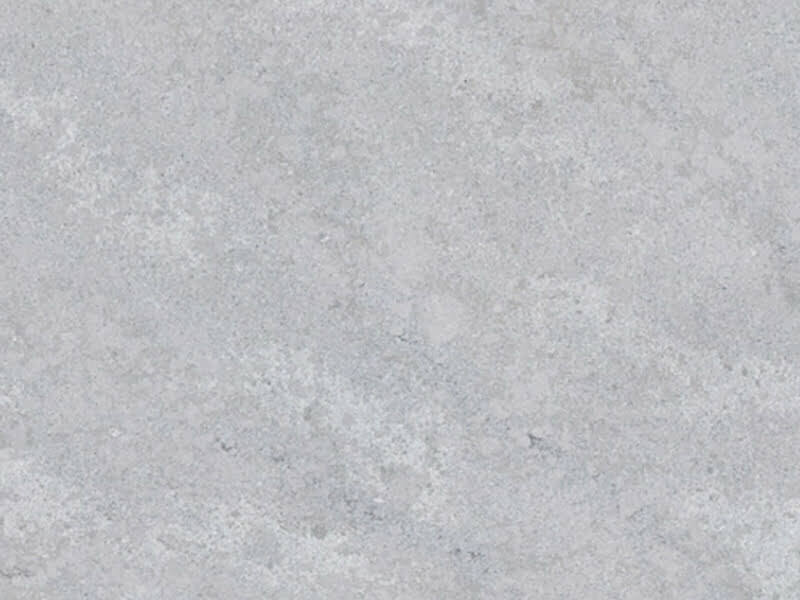
- Warm neutral tones — soft creams, warm greiges, light clay, and pale stone shades. Avoid stark cool whites, which pull the palette toward pure Scandi rather than Japandi.
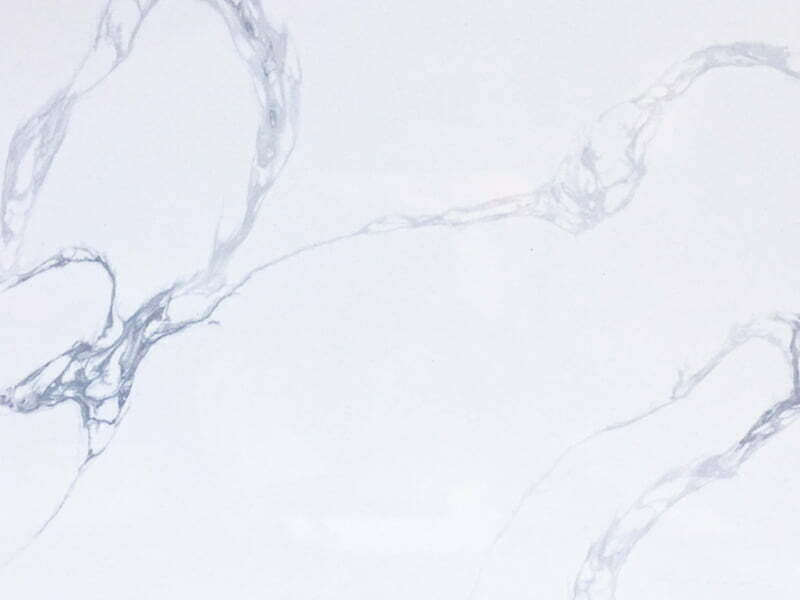
- Subtle patterning rather than dramatic veining. A quartz with gentle, organic movement in a warm tone looks right. Bold Calacatta-style veining introduces too much drama for this aesthetic.
Pairings That Work
Warm cream or oatmeal quartz with natural oak cabinetry and brushed brass handles is the quintessential Japandi combination. The warmth of the stone and the warmth of the wood create harmony rather than contrast. The functional benefits of quartz — zero maintenance, non-porous, no sealing required — also fit the Japandi philosophy of choosing things that last and perform beautifully without constant attention.
Explore Our Range
Ready to get started?
Use our instant price calculator for a free estimate, or contact our team for personalised advice.